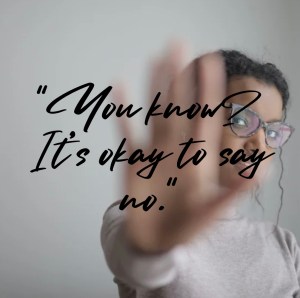
Healing is an intensely personal journey. It’s a time when you must prioritize your well-being, protect your energy, and create a safe space for yourself to grow and transform. One of the most powerful tools you have during this process is the ability to say “no.”
Saying “no” is not always easy. We live in a world that often pressures us to say “yes” to everything—to be constantly available, accommodating, and agreeable. But when you’re on a healing journey, it’s crucial to understand that “no” is a complete sentence. It’s a boundary that you have every right to set, especially when you’re focused on nurturing yourself.
Why Saying No Is Essential During Healing
When you’re healing, whether it’s from emotional trauma, burnout, addiction, or any other challenge, your energy and resources are limited. You’re in a process of rebuilding—physically, emotionally, mentally, and spiritually. During this time, it’s important to conserve your energy for what truly matters: your recovery and growth.
Saying “no” allows you to protect that energy. It gives you the space to focus on your healing without the added pressure of meeting others’ expectations or fulfilling obligations that don’t serve your well-being. It’s a way of honoring your needs and making your healing journey the priority it deserves to be.
Creating a Safe Haven Through Boundaries
A key aspect of healing is creating a safe haven—a space, both physical and emotional, where you feel secure, supported, and at peace. This safe haven is where your healing can truly take root and flourish. But to create this space, you need boundaries, and those boundaries often start with the word “no.”
Here’s how saying “no” helps you build and maintain a safe haven:
- Protecting Your Time and Energy: Healing requires time—time to rest, reflect, and engage in activities that nourish your soul. Saying “no” to requests or demands that drain your energy allows you to dedicate more time to your healing practices.
- Reducing Stress and Overwhelm: When you say “yes” to too many things, you risk becoming overwhelmed and stressed, which can hinder your healing. Saying “no” helps you manage your stress levels and keep your environment as calm and peaceful as possible.
- Preserving Your Emotional Space: Healing can bring up a lot of emotions. You need space to process these feelings without external pressures. Saying “no” to emotionally taxing situations or people helps you protect your emotional well-being.
- Maintaining Focus on Your Goals: Your healing journey has specific goals—whether it’s overcoming a past trauma, breaking free from a harmful habit, or simply regaining your sense of self. Saying “no” to distractions or activities that don’t align with these goals keeps you on track.
- Honoring Your Boundaries: Boundaries are a form of self-respect. When you say “no,” you’re reinforcing your boundaries and sending a clear message to yourself and others that your well-being is your top priority.
Overcoming the Guilt of Saying No
Many of us struggle with guilt when we say “no.” We worry about disappointing others, being seen as selfish, or missing out on opportunities. But it’s important to remember that saying “no” is not a rejection of others—it’s an affirmation of your own needs.
During your healing journey, you must give yourself permission to prioritize your well-being without guilt. Understand that by saying “no” to certain things, you’re saying “yes” to yourself—to your healing, your growth, and your future.
Here are some tips for overcoming the guilt of saying “no”:
- Reframe Your Perspective: Instead of seeing “no” as a negative response, view it as a positive choice that supports your healing. You’re not just saying “no” to others—you’re saying “yes” to your health and happiness.
- Practice Self-Compassion: Remind yourself that it’s okay to prioritize your needs. You deserve to heal, and you deserve to create a safe haven where you can do so.
- Communicate Clearly: When you say “no,” you don’t need to provide an elaborate explanation. A simple, respectful “no, thank you” is enough. If you feel the need to explain, keep it brief and focus on your current priorities.
- Remember Your Why: Keep your healing goals at the forefront of your mind. When you remember why you’re saying “no” and what you’re working toward, it becomes easier to stand firm in your decision.
Embracing the Power of No
There’s immense power in saying “no”—a power that comes from recognizing and honoring your needs. As you continue on your healing journey, embrace this power. Use it to create a safe haven where you can heal, grow, and thrive.
Saying “no” is not about shutting yourself off from the world—it’s about creating the space you need to heal so that, when you’re ready, you can reengage with the world from a place of strength and wholeness. It’s about protecting your energy, preserving your peace, and prioritizing your well-being above all else.
Conclusion
Your healing journey is a sacred process, and it deserves to be protected. By saying “no,” you’re creating the boundaries that will allow you to heal in a safe, nurturing environment. Don’t be afraid to use this powerful word. It’s a tool for self-care, self-respect, and self-love.
As you continue to heal, let “no” be a part of your vocabulary—a word that helps you maintain your safe haven, honor your journey, and ultimately, emerge stronger and more whole.

Discover more from CHAIN BREAKING MOM
Subscribe to get the latest posts sent to your email.

 CHAIN BREAKING MOM